
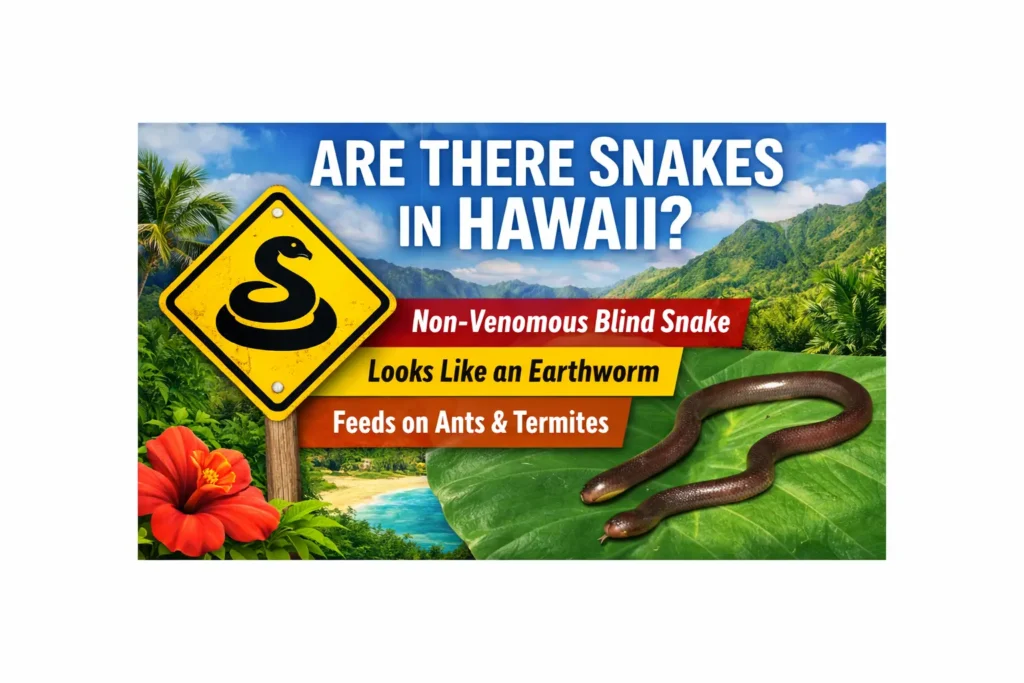
Hey fellow travelers and adventure seekers! Planning a Hawaii vacation and wondering “are there snakes in Hawaii?” Here’s the great news no native snakes whatsoever, and definitely no venomous snakes! Hawaii remains one of the world’s few truly snake-free destinations. However, the complete picture includes escaped pets and invasive species like the brown tree snake that occasionally cause concern.
We’ve reviewed the latest 2026 data from Hawaii Department of Agriculture, USGS reports, and local forums. Whether you’re hitting Oahu beaches or hiking Big Island trails, this guide has you completely covered. Let’s break it down!
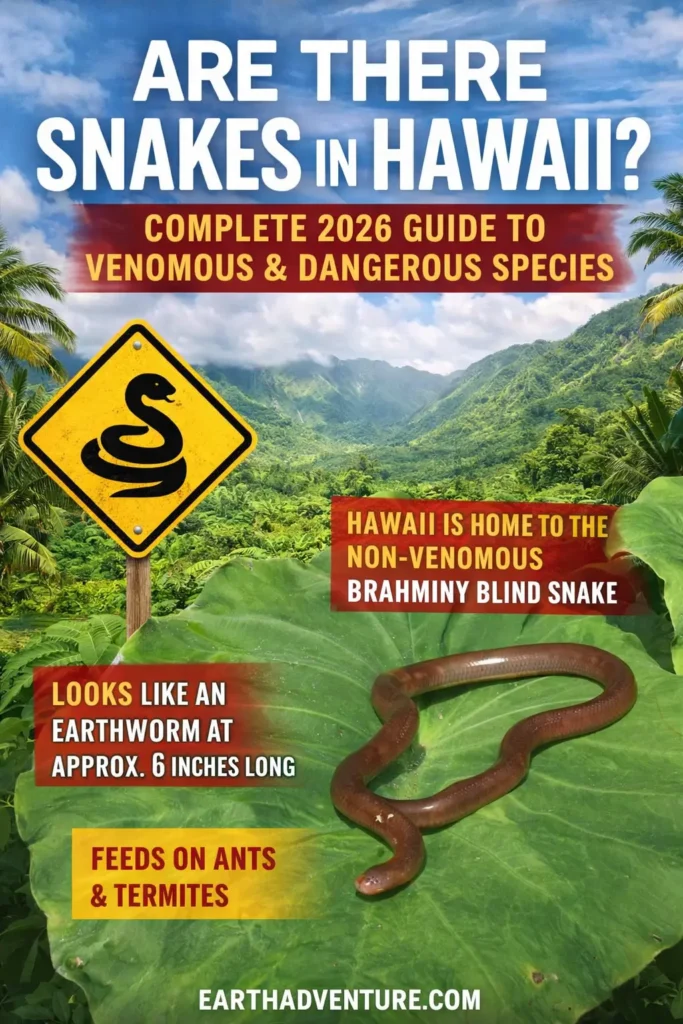
Why No Native Snakes in Hawaii? The Geological History
Hawaii formed from volcanic activity millions of years ago with no land bridges for snakes to reach the islands. Polynesian settlers arrived without snakes, and early visitors maintained strict quarantine laws.
The Result? Zero established wild native snake populations. Hawaii’s 2026 biosecurity remains world-class:
- Every cargo shipment and airplane inspected
- Pets require 120-day quarantine
- $10,000+ fines for snake smuggling violations
Fun Fact: Ni’ihau island maintains 100% snake-free status with the strictest monitoring in the state.
Complete List: What Snakes Are Actually Found in Hawaii?
Are there any snakes in Hawaii? Yes, but they’re tightly controlled. Here’s every documented species:
1. Brown Tree Snake (Primary Invasive Threat)
- Status: Mildly venomous (rear fangs), not lethal to humans
- Size: 1-2.5m (3-8ft) adults
- Behavior: Nocturnal arboreal hunter, preys on birds/eggs/lizards
- Locations: Big Island ports, Oahu warehouses (50+ detections in 2025)
- Danger: Painful bite with infection risk
2026 Update: Drone surveillance and detection dogs achieved 65% population reduction.
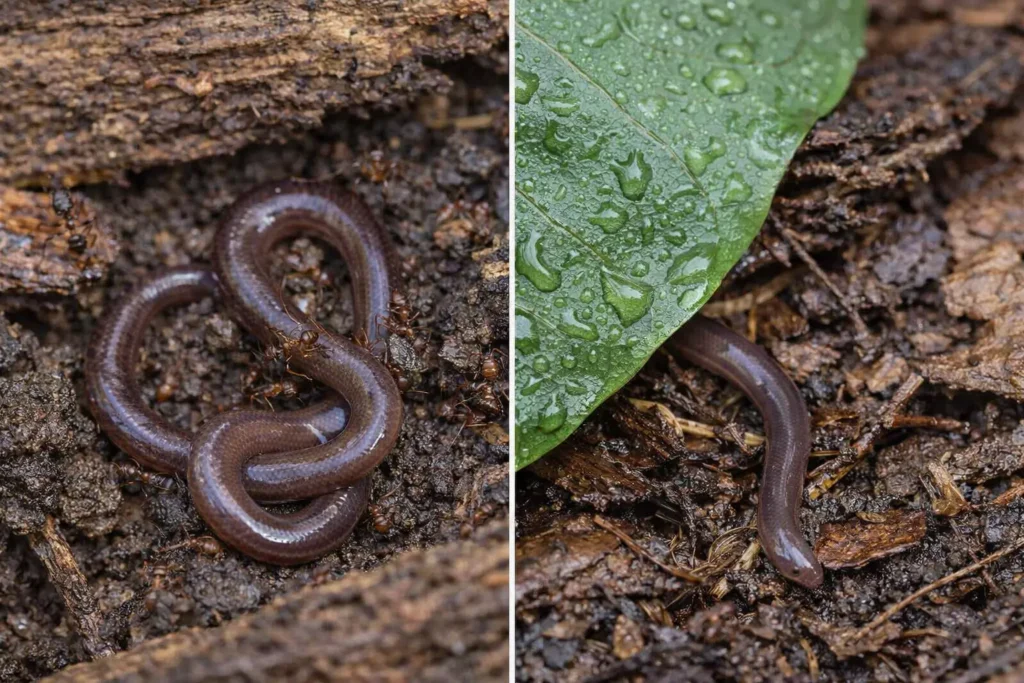
2. Brahminy Blind Snake (Harmless Intruder)
- Locations: Gardens, potting soil (Maui/Oahu)
- Size: 10cm (4in), worm-like appearance
- Danger: None often mistaken for earthworms
3. Yellow-Bellied Sea Snake (Ocean Visitor)
- Highly venomous but pelagic (open ocean species)
- 2025: 1 specimen washed ashore Hilo Beach
- Danger: Negligible encounters require swimming into one
4. Illegal Pet Escapes
- Boa constrictors, ball pythons, corn snakes
- No established breeding populations
- Hotline: 808-643-PEST (7378)
Complete Comparison Table: Snakes in Hawaii
| Snake Type | Venomous? | Frequency | Human Risk | Control Status |
|---|---|---|---|---|
| Brown Tree Snake | Mild | Occasional | Medium | Active hunting |
| Brahminy Blind | No | Common (harmless) | None | Tolerated |
| Yellow-Bellied Sea | High | Extremely rare | Low | Natural |
| Pet Escapes | Varies | Rare | Low | Removed |
Are there poisonous snakes in Hawaii? No, “poisonous” refers to toxic skin contact (like poison dart frogs), while “venomous” means bite injection. Hawaii has neither native.
Are There Venomous Snakes in Hawaii? The Definitive Answer
No established wild venomous snake populations USGS confirms Hawaii as the only U.S. state without native venomous reptiles. The brown tree snake possesses mild rear fangs requiring minimal medical attention.
Real Threat? Ecological devastation same species caused 12 bird species extinctions in Guam. Hawaii invested $50M+ in eradication efforts.
Island-by-Island Snake Risk Assessment (2026 Data)
Oahu (Honolulu): ⭐ Low Risk
Urban areas remain clean focus on traffic and riptides instead
Big Island (Hawaii): ⭐⭐⭐ Moderate Risk
Brown tree snake hotspot Volcanoes National Park night hikes require caution
Maui: ⭐⭐ Low-Moderate
Brahminy blinds common in gardens, sea snakes offshore only
Kauai: ⭐ Very Low
Cleanest major island for snake activity
Lanai/Molokai: ⭐ Minimal
Remote islands maintain paradise status
What If You Encounter a Snake? Immediate Action Plan
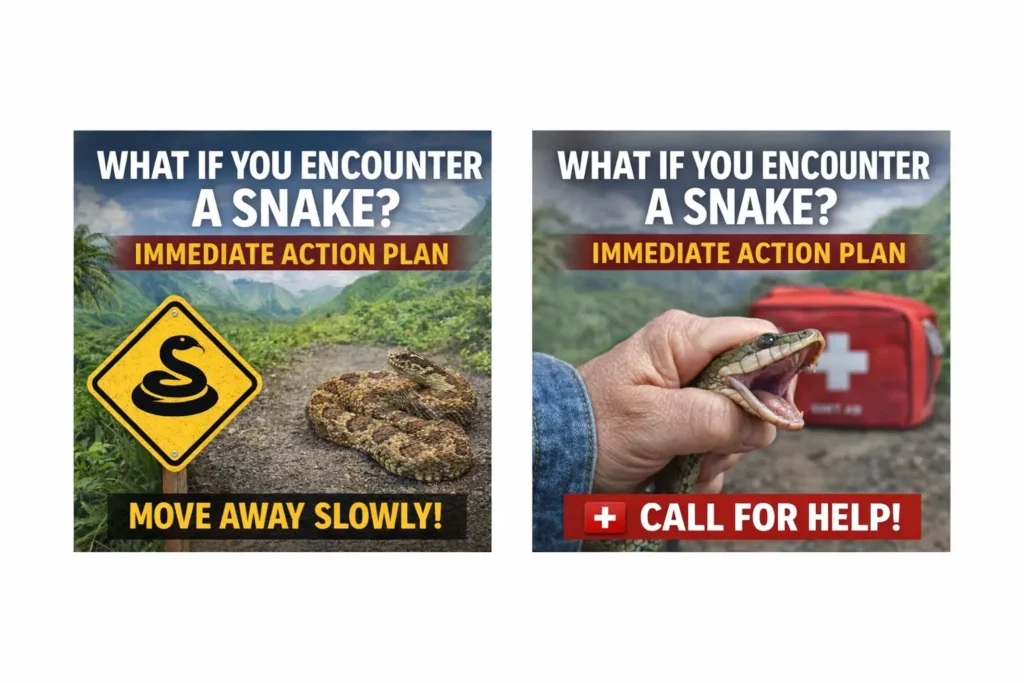
Step 1: Do not touch take photo from 5m (15ft) distance
Step 2: Report immediately:
📞 Hotline: 808-643-PEST (7378)
📱 App: “HI Invasive Species”
💰 Reward: Up to $250 for verified reports
Step 3: Monitor area 48hrs—snakes typically solitary
Bite Protocol (Extremely Rare):
- Brown tree snake: Clean wound thoroughly, apply ice, seek antibiotics
- No antivenom required
- Nearest ER: 10-30min drive from most locations
Essential Prevention Tips for Hikers & Residents
- Shake out gear: Shoes, tents, sleeping bags before use
- Stick to marked trails: Avoid bushwhacking
- Night safety: Use motion-activated lights, avoid solo night hikes
- Pet supervision: Keep leashed and vaccinated
- Report suspicious cargo: Airport finds serve public good
Pro Tip for Serious Hikers: Download “Hawaii Wildlife ID” APP, 95% accurate photo identification.
Common Myths vs Documented Facts
❌ Myth: “Rattlesnakes inhabit Volcanoes National Park”
✅ Fact: Zero rattlesnake documentation ever
❌ Myth: “All sea snakes deliver deadly venom”
✅ Fact: Yellow-bellied sea snakes rarely encounter humans
❌ Myth: “Snakes legal as pets in Hawaii”
✅ Fact: Potential life imprisonment penalty
Tourism Impact Analysis (2026 Statistics)
- 14 million visitors Annually
- Snake encounters: <0.01% of visits
- Shark attacks: 8x more frequent
- Sunburn treatments: 1000x more common
Bottom Line: Zero trip cancellations due to snakes since 1980.
Frequently Asked Questions: Complete Answers
No native populations, only controlled invasive species and escaped pets.
None zero species with toxic skin secretions.
No established wild populations beyond rare ocean visitors.
Big Island leads in invasive detections.
Absolutely not immediate confiscation + $10K+ fines.
Take photo from distance + report to 808-643-PEST hotline.
Lower risk than airport parking lot traffic accidents.
Final Verdict: How Safe Is Hawaii Really in 2026?
Snake encounter risk remains lower than everyday driving hazards. Hawaii allocated $75M to biosecurity in 2026 alone. Travelers should prioritize shark awareness, jellyfish stings, and sunburn prevention instead.
Planning your Hawaii adventure? Drop your target island below for personalized recommendations. Safe travels and aloha! 🌺
Read Here : Best Fitness Watch